How much does the Camino cost? Planning your budget
A Camino is cheaper than most holidays and dearer than many expect. Here are the cost items, a daily budget at three levels, and the costs people forget.
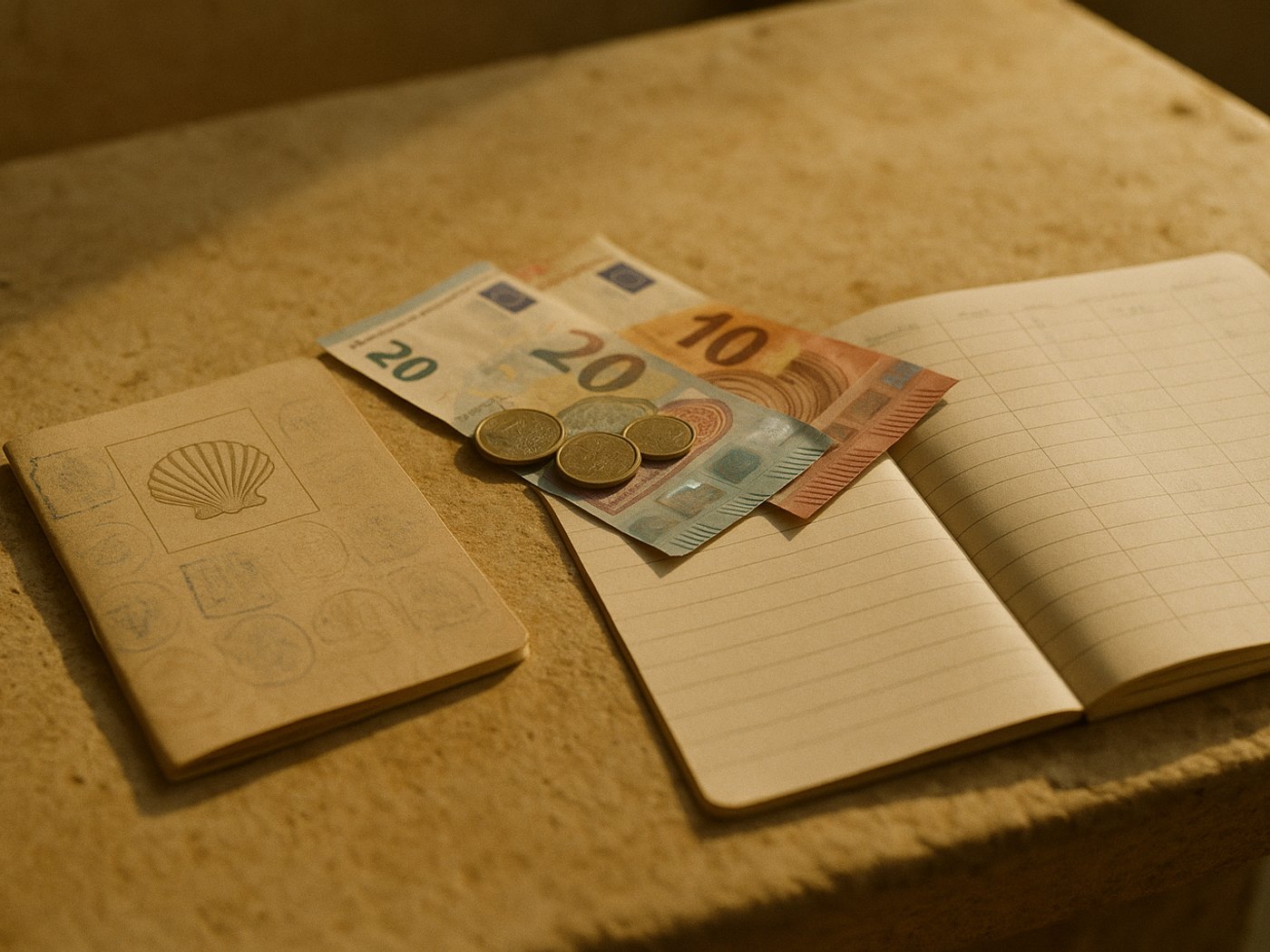
Photo: AI-generated
A Camino is one of the cheapest long holidays there is, and the sums still surprise people. The short answer: the route itself costs little per day, the journey there and back costs the most, and the gear before departure is the item nobody has in the first draft.
Prices in Spain creep up every year, so the numbers here are ranges rather than final answers. The method holds whatever the numbers are when you walk.
The five items
- The journey to your starting town and home from Santiago. Plane, train or bus. The biggest single item on a short Camino and a modest part of a long one.
- Accommodation. From municipal albergues at the low end to private ones at the high end. The types are explained in albergues on the Camino.
- Food. Breakfast at a bar, lunch from the supermarket, a menú del peregrino in the evening. The figures are in what food costs on the Camino.
- Gear before departure. Boots, backpack, sleeping bag, rainwear, socks. If you have nothing, this is where most of the money goes.
- The unforeseen. A night in a pensión, a taxi over a stretch, a pharmacy, a luggage transfer on a day when your back says no.
Three levels per day
Think in levels rather than in amounts of money, and put your own figure on them once you have seen the prices for the year you travel:
The simple one. Municipal and parish albergues. Breakfast and lunch from the supermarket. Dinner cooked in the albergue kitchen together with others. Water from the taps along the way. It is the cheapest way to walk, and for many also the best.
The ordinary one. Municipal albergues most nights, a private one once a week. Coffee and a croissant at a bar in the morning. Lunch along the way. A menú del peregrino in the evening. This is how the majority walk.
The comfortable one. Private albergues and pensiones, three meals out, a luggage transfer when you feel like it, and a rest day in a hotel in Burgos and León. Still cheaper than most other holidays of the same number of days.
The multiplier people forget
The daily price has to be multiplied by the number of days, and the number of days depends on the route and on how far you walk each day. A Camino Francés of 32 days costs a good six times as much as the last hundred kilometres over five days, even though the daily price is the same.
The lengths are in how long the Camino is. Work backwards from the time you have rather than from the amount you have, and the numbers fall into place.
The gear before departure
This is the item that breaks the budget, and it is easy to keep on a lead:
- Buy boots and a backpack properly. Those two are allowed to cost money. They are the difference between a good and a bad walk.
- Borrow or reuse the rest. A sleeping bag, poles, a rain jacket and a fleece can be found in most families.
- Do not buy the last third of the list. Half of what people buy before a Camino comes home unused.
How to keep the budget along the way
Four habits that work:
- Fill your water bottle at fountains rather than buying water.
- Buy lunch in the supermarket in the morning rather than at a bar at 1 pm.
- Cook in the kitchen with two others. It is cheaper, and it is often the best hour of the evening.
- Carry cash, so you are not forced into a more expensive place because it is the only one with a card terminal.
And what is free
The route itself costs nothing. There is no ticket, no entrance fee and no booking fee. You pay for a bed and for food, and the rest is about 770 kilometres that have been free for a thousand years. That is part of why it keeps drawing people, and it is worth remembering when the budget sheet gets long.
Frequently asked questions
What does a Camino cost per day?
What is the biggest expense on a Camino?
Can you walk the Camino cheaply?
What do people forget to budget for?
Camino King
The walker who never stopped
Michael walked his first Camino in 2016 and has kept going ever since. He writes about the routes, the gear and everything that makes a long walking day good. If it is here, it has been walked, worn or weighed.
Read next
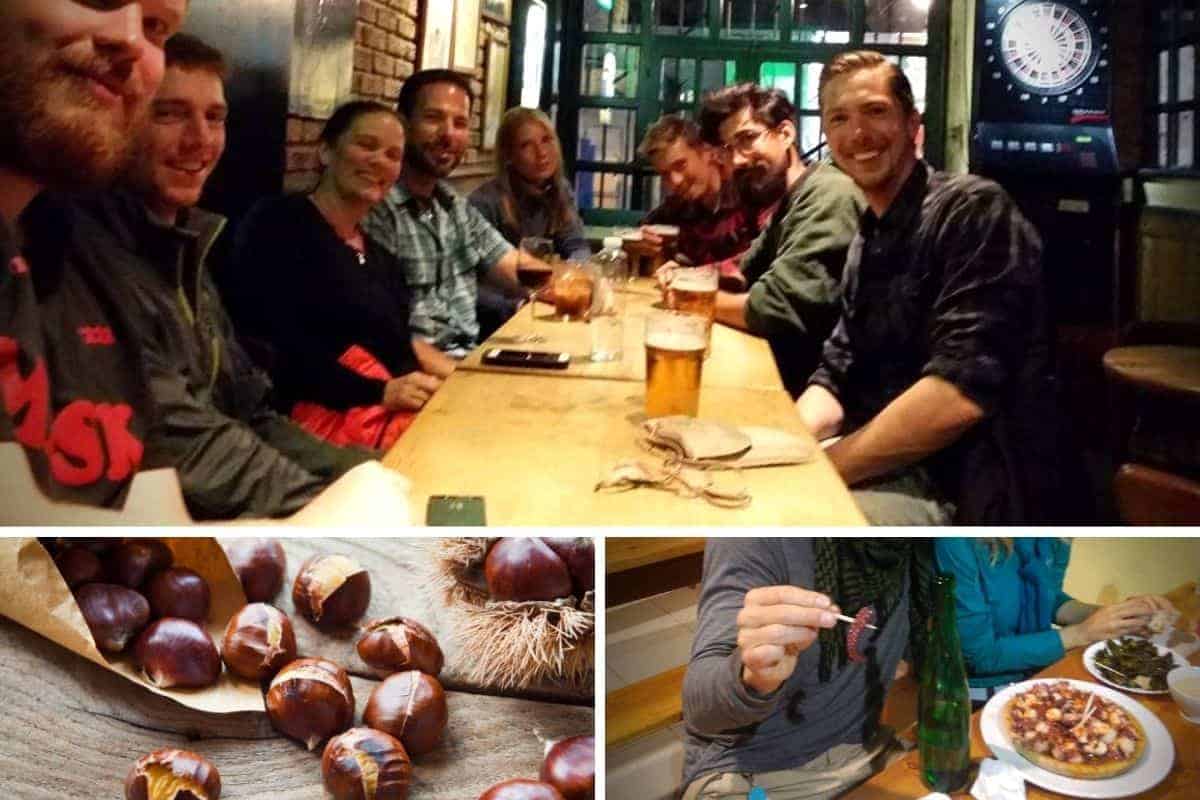 Planning Food costs on the Camino: 12 to 20 euros a day Food on the Camino is cheap. I spent around 12-20 euros per day eating well. See a real daily food budget, pilgrim menu advice and cafe Spanish.
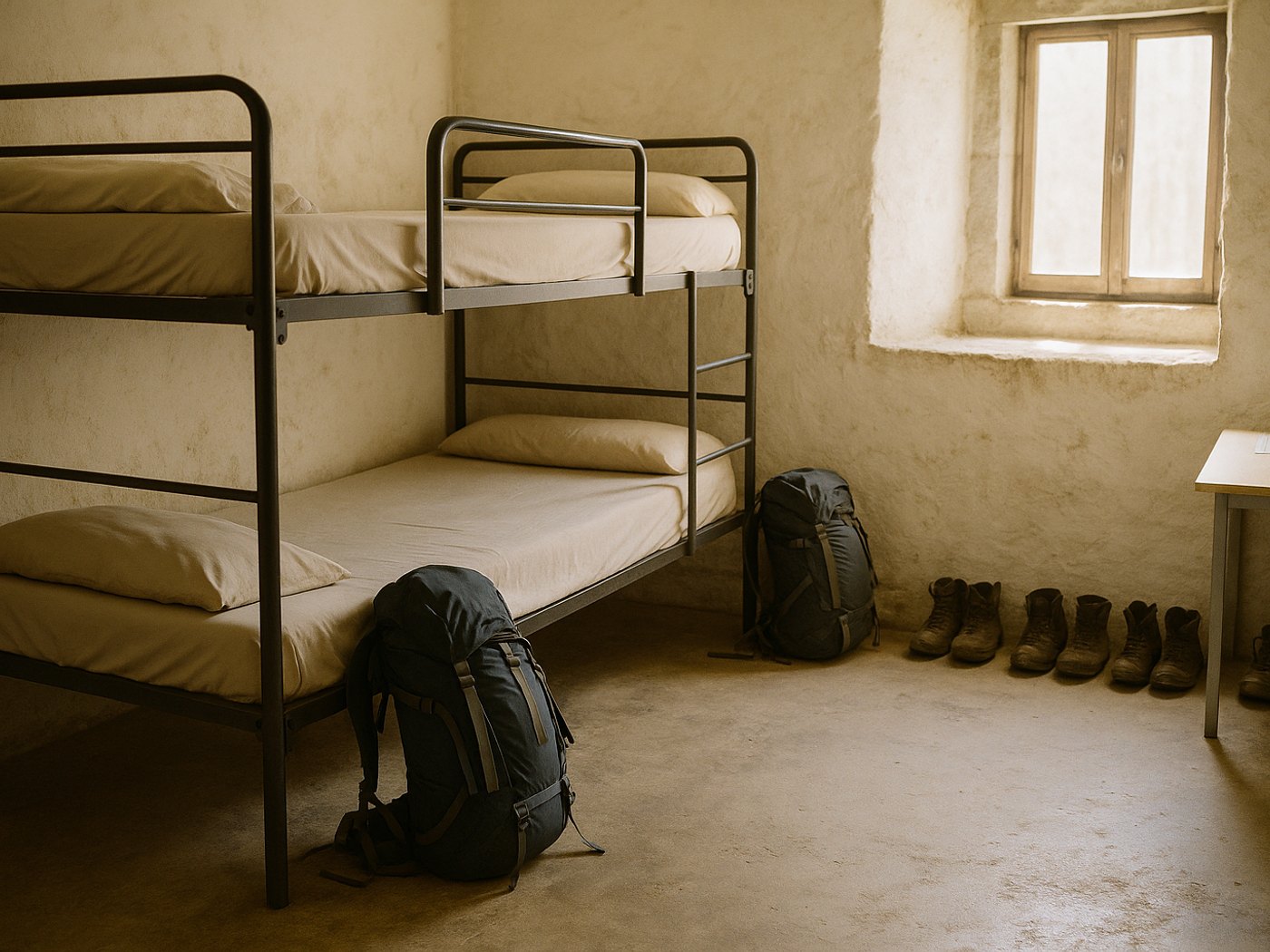 Planning Albergues on the Camino: how pilgrim hostels work Albergues are a big part of what makes the Camino the Camino. Here are the three types, what they cost, and the unwritten dormitory rules at night.
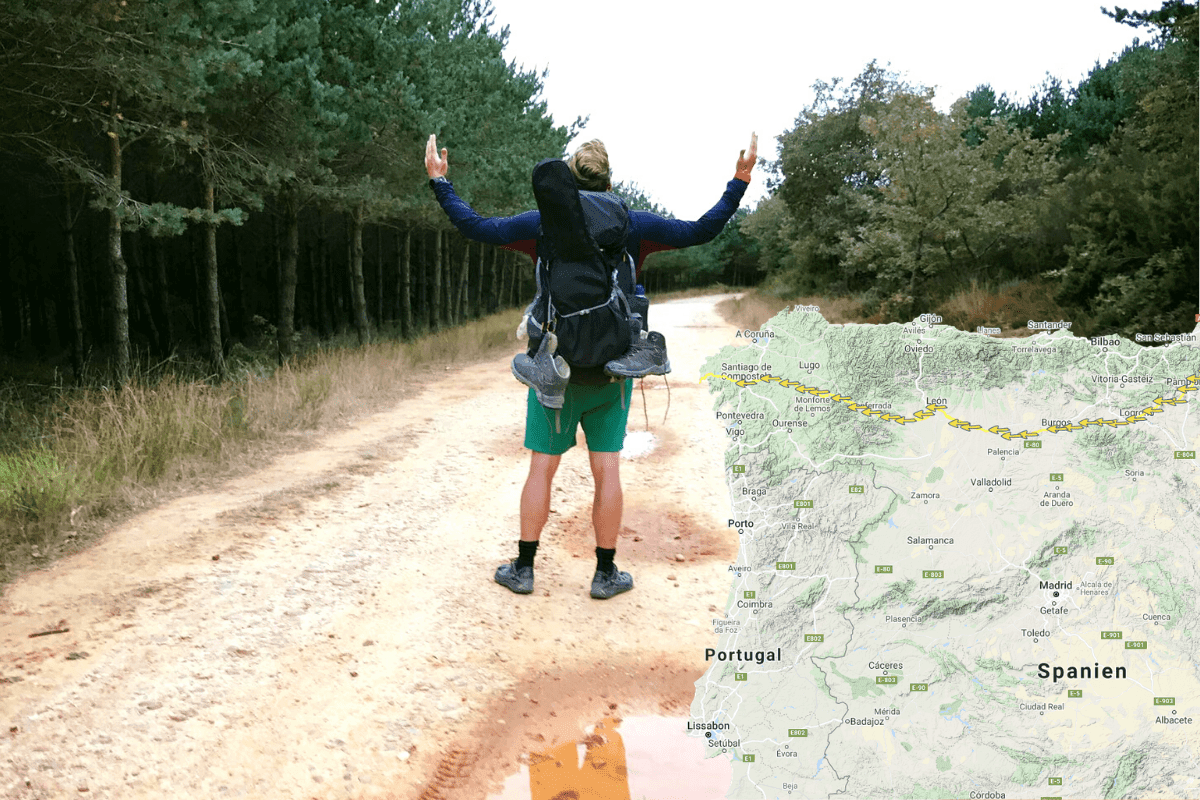 Planning How long is the Camino de Santiago? Every route in km How long is the Camino? The Camino Francés is around 770 km and takes 25 to 35 days. See distance and stages for all seven routes, and the last 100 km.