Packing · Spain
The Camino packing list, tested on several routes and mistakes
A field-tested Camino packing list from a hiker who has walked several routes. What to bring, what to leave at home, and answers to common questions.
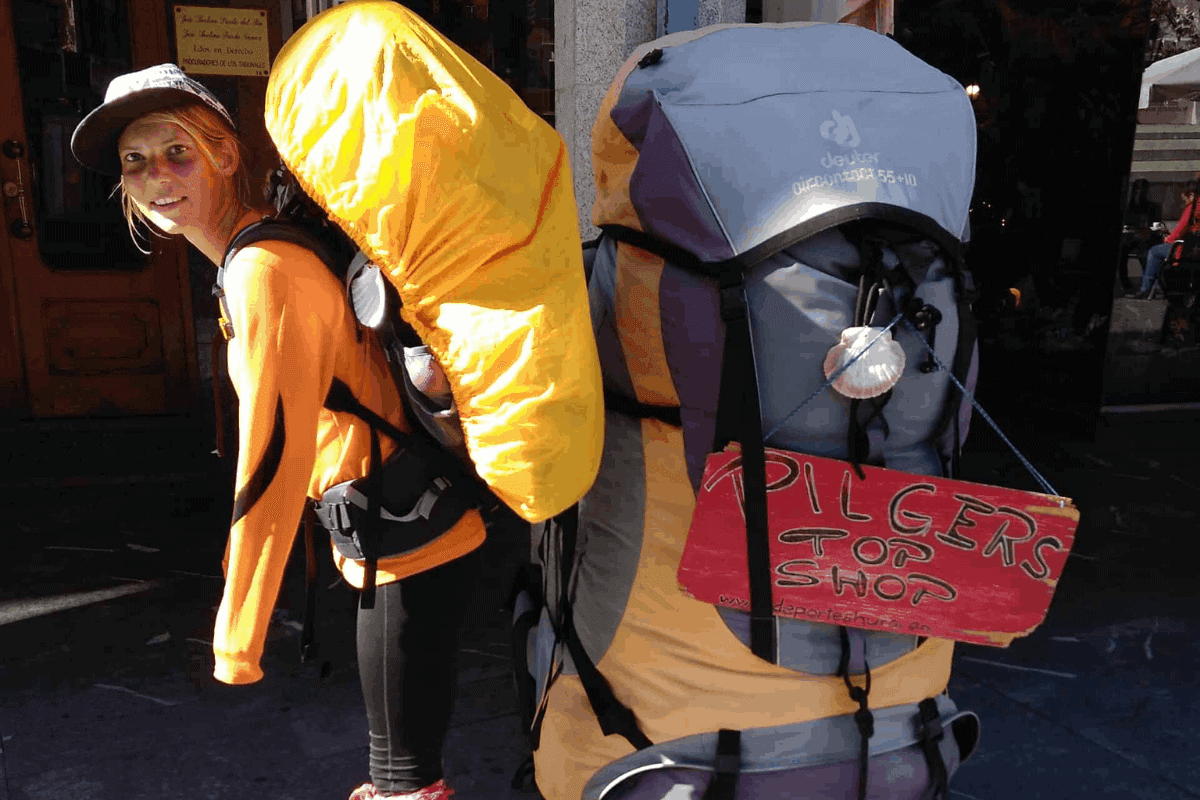
Camino packing list
Tick things off as you pack. The list is saved in your browser, so you can come back and finish later. Aim for a backpack no heavier than 10 percent of your body weight.
Backpack and shoes
Clothing
Sleeping
Feet and first aid
Hygiene
Electronics
Documents and money
The things that make it easier
Packing for the Camino de Santiago does not need to be a science. The Camino is a remarkably civilised pilgrim network where you can find almost anything you need along the way. Even so, most first-timers either overpack or forget something essential. I speak from experience. Use this list as a starting point, then adjust it to your own trip.
The three things that actually matter
If you only remember the first three items below, plus any medication you depend on, you are basically covered:
- Travel documents: passport, tickets, money and cards
- Backpack: your pack, a wallet or money belt, and the essentials inside it
- Footwear: shoes, socks and foot care
Five things that are great to have sorted
- A camera (your phone is fine)
- Headphones or a small speaker for playlists, audiobooks and podcasts
- Comfortable underwear, tested at home before you leave
- A water bottle. Most Camino routes have plenty of fountains to refill at
- Trekking poles
Do you need a toiletry bag?
On my first Camino I used a plastic bag as my toiletry bag. It held a toothbrush and toothpaste, and later I added shampoo and a tube of vaseline. These days I always bring a proper one. The extra comfort makes up for the weight when you share hostels, toilets and showers with a lot of other pilgrims. Do you have to bring one? No. Is it nice? Yes.
Do you have special needs?
If you take specific medication, cannot see without contact lenses or cannot sleep without your teddy bear, you probably have that under control already. It helps to know that the Camino Frances has pharmacies all along the route, so painkillers like ibuprofen are easy to find, and both hostels and fellow pilgrims will happily help you with the blisters you will almost certainly get.
The full packing list
Here is a complete packing list for the Camino, from top to toe.
Wallet, money belt and documents
- Travel documents: passport, tickets, health insurance card
- Money in euros, plus a payment card
- Pilgrim passport (muy importante). You can get one in many places along the Camino
Clothing and sleep gear
- Sleeping bag or sleeping bag liner
- Beanie, sun hat or cap
- Neck gaiter
- Gloves
- Jacket
- T-shirts
- Warm tops
- Trousers
- Shorts
- Underwear
- Hiking socks
- Towel
- Laundry bag or net
- A second pair of shoes or sandals
- Rain poncho
Electronics
- Headphones
- Small speaker
- Phone
- Camera
- E-reader
- GPS
- Charger
- Power bank
- Headlamp
Toiletry bag
- Toothbrush and toothpaste
- Vaseline
- Lip balm
- Shampoo
- Nail clippers
- Condoms
- Tampons
- Painkillers
- Imodium
- Hand sanitiser
- Blister plasters, needle and thread
- Sunscreen
Extras
- A travel ukulele if you play
- Trekking poles
- Water bottle
- Journal and a pen
- Playing cards
- Lighter or matches
- Nuts, chocolate, muesli bars or other snacks
- A book
- Bandana
How heavy should your backpack be?
The weight of your pack decides how far you can comfortably walk and how pleasant your days become. The pilgrims with the fewest blisters, the least back pain and the least complaining are usually the ones with the lightest packs.
My rule of thumb for the Camino is to pack too little rather than too much, because you can buy almost everything you need along the route. On one of my early trips my pack weighed 18 kilos, stuffed with food, water, a tent and a laptop. Far too much. The most common recommendation is around 10 percent of your body weight. My advice is simpler: the lighter, the better.
Backpack sizes
| Size | Capacity | Recommended for |
|---|---|---|
| Mini packs | 6-10 litres | Running, kids, day trips |
| Small packs | 10-30 litres | Day trips, school, work |
| Medium packs | 30-50 litres | Overnight trips, hiking, the Camino |
| Large packs | 50+ litres | The Camino, long travels, expeditions |
Three packing tips that make a real difference:
- Lightest items at the bottom of the pack
- Heaviest items in the middle, close to your back
- The things you reach for most often at the top
For more on choosing a pack, see the guides section.
Things you should NOT bring from home
I always end up bringing too many useless things. Here are items that I, or people I have walked with, carried without ever using:
- A pillow
- Canned food
- A laptop (unless you genuinely need it)
- A tent. There are hostels and hotels everywhere along the route
- A hairdryer. I have seen several people lug one around and I still do not understand why
- Cards, dice or board games. Someone else always has them
- Binoculars
- A power strip
- A camping stove
Remember to pack for the season. Spain, France and Portugal are generally warm, so think carefully about whether waterproof boots, a rain poncho and a rain jacket are all necessary for your dates.
I also tend to pack too much electronics. A phone covers photos, video, GPS, music and audiobooks in one device, yet my best trips have been the ones where I used it as little as possible.
Pilgrims help you with what you are missing
The first time I set off on the Camino, I knew nothing about long-distance walking, packing or what to expect. It is like your first ski trip. You make a pile of mistakes and learn from them.
Pilgrims on the Camino are incredibly helpful, partly because hikers tend to be friendly people, and partly because everyone has been through their own pain and problems on the trail. If there is anything the Camino has plenty of, it is foot care, beer, wine, painkillers and helpful people.
Common questions before the Camino
I did not spend much time worrying before my first Camino, and I still think that is the healthiest approach. I have met complete beginners who fell in love with the Camino, and lifelong dreamers who found it disappointing. You cannot plan your way to a good trip. The journey starts the moment you begin packing.
Should you wear hiking boots?
I bought an expensive pair of hiking boots before my first trip, sold to me with a promise that they were made for the Camino and neither heavy nor hot. That was untrue. There is rain on the Camino, along with mountains and loose stones, so some people prefer solid boots. I prefer barefoot shoes, running shoes or hiking sandals, and I would rather carry two pairs of light shoes than one heavy pair. The only honest answer on footwear is that you have to get to know your own feet, and you only find the right shoes by testing them on long days.
What is the Camino de Santiago?
When people say “the Camino” they usually mean the Camino Frances, also known as the Way of St. James. Camino de Santiago is actually an entire pilgrim network with routes across Europe, all leading to Santiago de Compostela in Galicia.
How long does the Camino take?
The Camino Frances and the Camino del Norte are both around 800 kilometres, divided into stages that take about a month. I walked around 900 kilometres in 26 days, since you can take alternative paths and extend the route to Finisterre, known as the end of the world, where a stone marks km 0.00.
Where does the Camino Frances start?
The most popular starting point is Saint-Jean-Pied-de-Port, a French town at the foot of the Pyrenees. Almost the entire route runs through northern Spain. Saint-Jean is where I bought my first pilgrim passport.
Is there food and drink along the way?
Yes, good food and drink at fair prices, all along the route. Some people bring canned food and a camping stove from home, and there is simply no need.
Can you drink the tap water?
I always drink from the taps and the many fountains along the route, and it has never been a problem for me. Some people buy bottled water, which seems a shame when free refills are everywhere.
Should I bring a sleeping bag?
A sleeping bag takes up space, but most people I know, myself included, have been very glad to have one. It does not need to be thick or bulky. Some hostels get cold depending on the season, and what the albergues provide varies a lot. I recommend bringing one.
Do not overthink it. Just go
Some people need training and planning before a long walk, and that is fine. Personally I did not think much about it, and the best trips happen when you are not locked into schedules and stuff.
I hope this packing list helps you get the right things in your bag. There is no right or wrong here. As long as you do your best, that is all that matters. Have a wonderful walk.
Camino King
The walker who never stopped
Michael walked his first Camino in 2016 and has kept going ever since. He writes about the routes, the gear and everything that makes a long walking day good. If it is here, it has been walked, worn or weighed.
Read next
Gear
Hiking socks for the Camino: the two-layer trick against blisters
Socks decide whether you get blisters on the Camino. My guide to merino wool, the two-layer system, how many pairs, washing and fit, so your feet last all the way.
Gear
Electrolytes for hikers: what they are, and when to skip them
What electrolytes are, why they matter on long hot hikes, and when you can skip them. Practical advice from years of long-distance walking on the Camino.
Gear
Sleeping bag liners: cotton, silk, fleece, or skip the bag
A sleeping bag liner can replace or upgrade your sleeping bag on the Camino. Here is how cotton, silk and fleece compare, and when to bring one.