Planning · Spain
What I actually spend on food on the Camino: 12 to 20 euros a day
Food on the Camino is cheap. I spent around 12-20 euros per day eating well. See a real daily food budget, pilgrim menu advice and cafe Spanish.
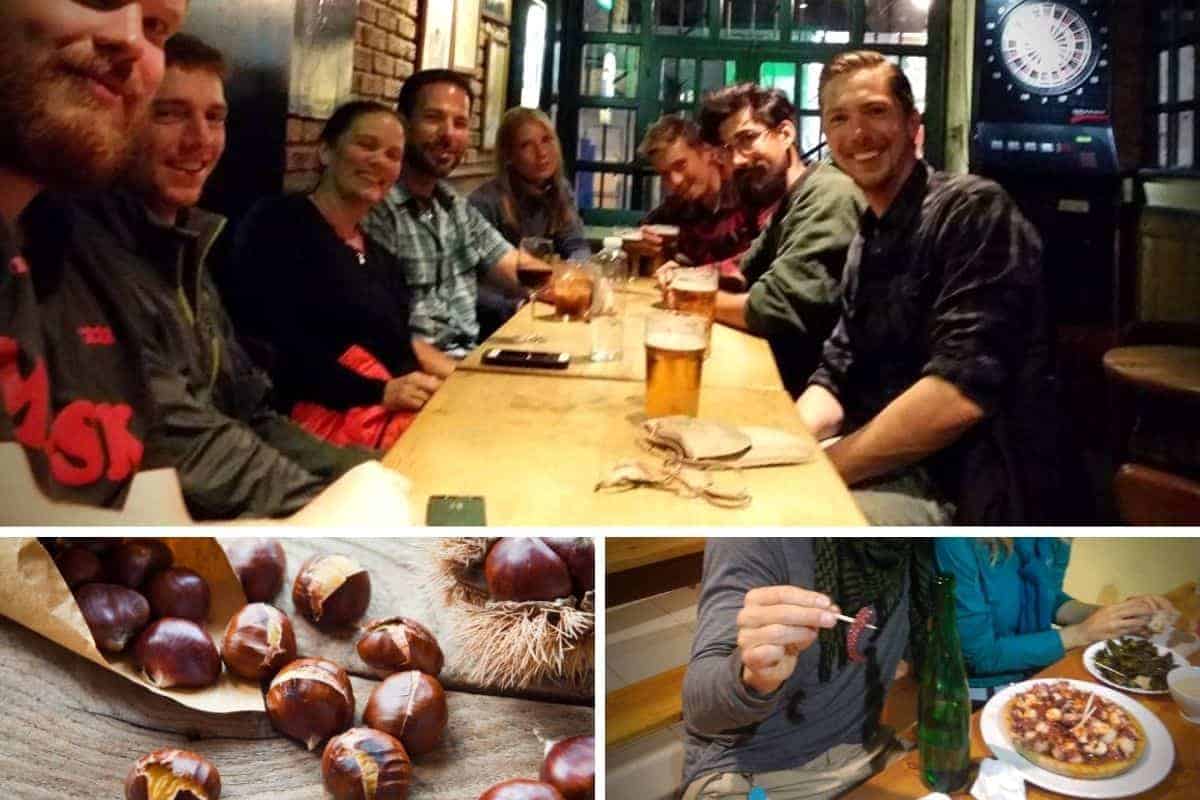
My food budget on the Camino has varied a lot from trip to trip, but even when I treated myself to good food and good drinks, eating in Spain was still far cheaper than at home.
So what does food cost on the Camino? Food in Spain is inexpensive, though prices can vary oddly between local areas and tourist spots along the route. I spent around 12 to 20 euros per day, and that buys a lot of food.
Walking the Camino does not have to be expensive. Once you are on the route, your main costs are food, drink and a bed. This guide shows you how to eat well on a small budget without burning money on overhyped pilgrim menus.
How little I spent on food
It is always a good idea to carry a few snacks that survive the heat. I make sure to have nuts, muesli bars or fruit in my bag, all of which are cheap in the supermarkets along the way. It also guarantees you never end up hangry on the trail.
Here is what a typical day of eating looked like for me:
| Meal | Example | Cost |
|---|---|---|
| Breakfast | Coffee with milk (cafe con leche), toast with butter and jam (tostada), freshly squeezed orange juice | around 3-5 euros |
| Lunch | Potato omelette (tortilla) or a bocadillo (sandwich) | around 1.50-2.50 euros |
| Dinner | Pilgrim menu (three courses with water and wine included) | around 8-12 euros |
Total: around 12-20 euros per day.
One thing the Camino never lacks is places to eat and supermarkets to shop in. You can eat as simply or as generously as you like.
What is a pilgrim menu, and is it worth the money?
Many pilgrim hostels and restaurants offer a three-course pilgrim menu for around 10 euros. The quality varies, but the portions are large, rich in protein and carbohydrates, and genuinely filling after a long day of walking. Wine is included in the price.
Many pilgrims choose these menus simply because they are too tired to cook after the day’s walk. That is a bit of a shame, because I often find the food greasy and bland.
Many albergues have kitchens
At many of the places I stayed, there were decent kitchens where you could cook your own dinner. Cheap supermarkets are easy to find, so you can buy fresh vegetables and put together a good pasta dish for very little money.
If you are willing to carry your food, and perhaps some instant coffee, you can make your Camino incredibly cheap when it comes to eating. Personally I prefer to enjoy the cafes along the way, which serve wonderful coffee, good croissants and tortillas for just a few euros.
Free food from nature
One of my favourite things on the Camino was eating from the landscape itself. You walk through countless vineyards, and between August and October you can come across some truly delicious grapes.
I do not pick from the fields myself, but local Spanish walkers often handed me bunches of grapes. The kindness I met was hard to describe. Locals would toss sweet apples to me as I passed, and some even let me loose on their apple trees.
I foraged constantly
I have walked several Caminos, and what you can find varies a lot with the season. I filled small bags with blackberries, chestnuts, nuts and more. They make great snacks on the trail, and you can also bring some back to the albergue and cook with them. I became particularly fond of chestnuts, which are surprisingly easy to prepare.
Drinks and tapas
If anything will not wreck your budget, it is food and drink on the Camino. Beer and wine are cheap, and the food does not have to cost much if you take a little care.
A nice bonus: when you order beer or wine, you almost always get a small tapas snack with it. It might be crisps, olives, small pieces of tortilla or a little bowl of something local.
The Camino does not have to be expensive
Two of the things that scare people away from the Camino are the price and the distance. You do not have to walk the entire route, and you do not have to hand all your money to a travel agency. Most people spend under around 1,300 euros for a whole month, everything included, and I spent even less than that.
If you are still planning, you might also want to read about how long the Camino takes and what to pack, both in the guides section.
Cafe Spanish for when you are in trouble
Worried about ordering a coffee, a juice, a beer or a sandwich? Fear not. These few phrases will get you a long way in life, and especially on the Camino:
| English | Spanish |
|---|---|
| Ham and cheese sandwich | Bocadillo con jamon y queso |
| Coffee with milk | Cafe con leche |
| Toast with butter and jam | Tostada con mantequilla y mermelada |
| Freshly squeezed orange juice | Zumo de naranja |
| A beer, please | Una cerveza, por favor |
| One more beer, please | Una cerveza mas, por favor |
| Red wine / white wine | Vino tinto / vino blanco |
Remember to raise your glass now and then and toast your new pilgrim friends. Thanks for reading, and have a wonderful walk.
Camino Queen
The other voice on the trail
Camino Queen tells the Camino from the inside: about walking it alone, about the food that keeps the legs going, and about the small moments that carry a whole day. The journey is best when it is shared.
Read next
Planning
I brought my laptop on the Camino, here's what actually happened
I brought my laptop on the Camino de Santiago. Here is how working a few hours a day on a pilgrimage actually feels, and whether you should try it.
Mindset
Camino tattoo ideas, and the sunburn lesson I learned the hard way
Many pilgrims mark the Camino with a tattoo. Here is inspiration for your Camino tattoo, a real pilgrim's story and a lesson I learned the hard way.
Planning
Cycling the Camino: yes, even Ronaldo has done a stretch
Yes, you can cycle the Camino de Santiago. Here is what to expect from the terrain, the daily distances and how to prepare your bike and body.