Albergues on the Camino: how pilgrim hostels work
Albergues are a big part of what makes the Camino the Camino. Here are the three types, what they cost, and the unwritten dormitory rules at night.
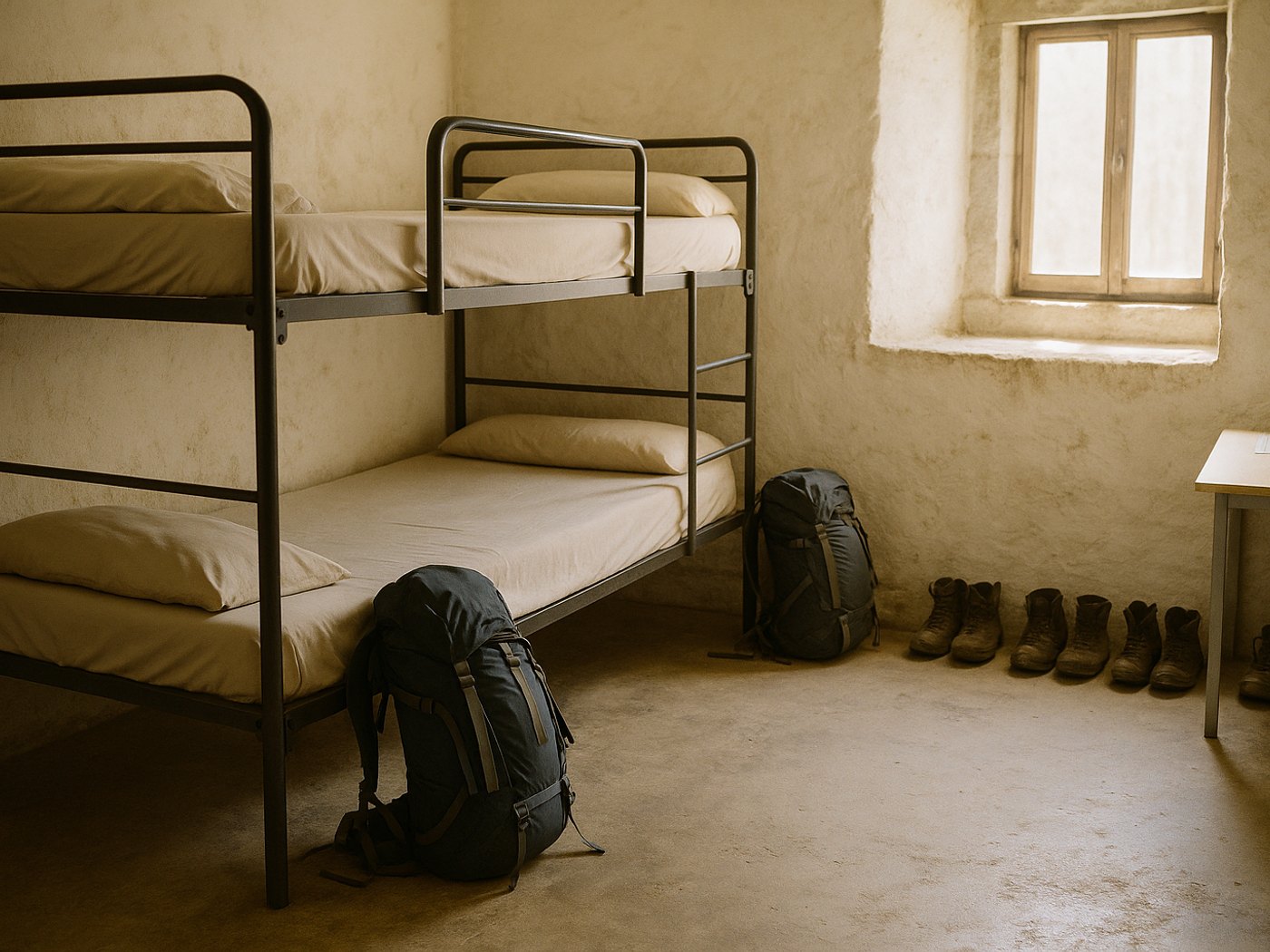
Photo: AI-generated
The albergues, the pilgrim hostels, are half of what makes the Camino something other than a long walk. You arrive tired, you get a bed in a room with twenty others, and over a wash of socks the conversations begin that people remember afterwards.
The short answer to how they work: three types, access with a pilgrim passport, first come, first served at the municipal ones, and a set of unwritten rules that everyone follows after the first night.
The three types
Municipal albergues (albergue municipal) are run by the town. They are the cheapest, they are simple, and as a rule they do not take reservations. In Galicia the rules for the region’s public albergues say that beds are given out in order of arrival with no reservations. A few municipal albergues elsewhere can be booked, for example the one in Zubiri, so check the individual albergue on Gronze. You turn up, get a bed in order of arrival, and have your pilgrim passport stamped. They typically open in the middle of the afternoon.
Parish and monastery albergues (parroquial) are run by the parish or a monastery. Many work by donativo, where you put what you can in a box. They are often the most memorable places on the whole route, and some of them hold a communal meal in the evening.
Private albergues are run as a small business. They cost more and have fewer beds per room, better showers, a kitchen and usually wifi. They can be booked in advance, and they are worth knowing on the stages where everything fills up.
What it costs
The municipal ones are the cheapest, the private ones somewhat above, and at the donativo places you decide yourself. Prices creep up every year, so count on a range rather than a figure, and expect a night to cost considerably less than a hotel room and more than it did the last time anyone wrote about it.
Two practical things. Carry cash, because the smallest places do not take cards. And set money aside for one extra night, so you have some slack if the beds are taken in high season. What food costs is covered in what food costs on the Camino.
The rhythm of an afternoon
A day at an albergue looks the same all the way to Santiago:
- Arrival between 1 pm and 4 pm. Boots off at the door, always.
- Registration, a stamp in the pilgrim passport, payment, a bed assigned.
- A shower, and then washing the day’s clothes by hand. There are lines or a drying rack.
- An hour in the shade with your feet up.
- Dinner, either in the kitchen or at a bar with a menú del peregrino.
- Lights out around 10 pm. In some places the door is locked.
- Up between 6 and 7 am, when the first people start packing.
The unwritten rules
They are few, and they mean everything for the mood in the room:
- Pack your backpack in the evening if you are leaving early. A plastic bag at five in the morning is the most cursed sound on the Camino.
- Use the red light on your headlamp in the dormitory, or no light at all.
- Keep your voice down after lights out, and take the phone call outside.
- Do not take over the corridor with your clothes. Everyone needs room on the line.
- If you snore heavily, accept the offer of a corner of the room, or book a private room on the nights you can.
- Clean up after yourself in the kitchen. The next group arrives in an hour.
What to bring
Four things make a night in an albergue markedly better, and they weigh next to nothing:
- A sleeping bag liner or a light sleeping bag. The choice is covered in sleeping bag liner.
- Earplugs. The most important one. Bring them from home rather than buying them on the way.
- Flip-flops for the shower and the evening.
- A small washing line and a piece of laundry soap.
When there is no room
It happens, especially in July and August and around the last hundred kilometres. The solution is rarely dramatic: walk on to the next town, ask in the bar, or take a private albergue or a pensión. If you would rather have a room of your own all the way, see the Camino in comfort.
That is also why it is worth being on your way early in the morning on the busy stages. If you walk alone, this sort of thing gets easier with time, and it is part of what is described in walking the Camino alone.
Frequently asked questions
Do I need to book an albergue in advance?
What does a night in an albergue cost?
Do I need a sleeping bag on the Camino?
Can I stay in an albergue without a pilgrim passport?
Camino King
The walker who never stopped
Michael walked his first Camino in 2016 and has kept going ever since. He writes about the routes, the gear and everything that makes a long walking day good. If it is here, it has been walked, worn or weighed.
Read next
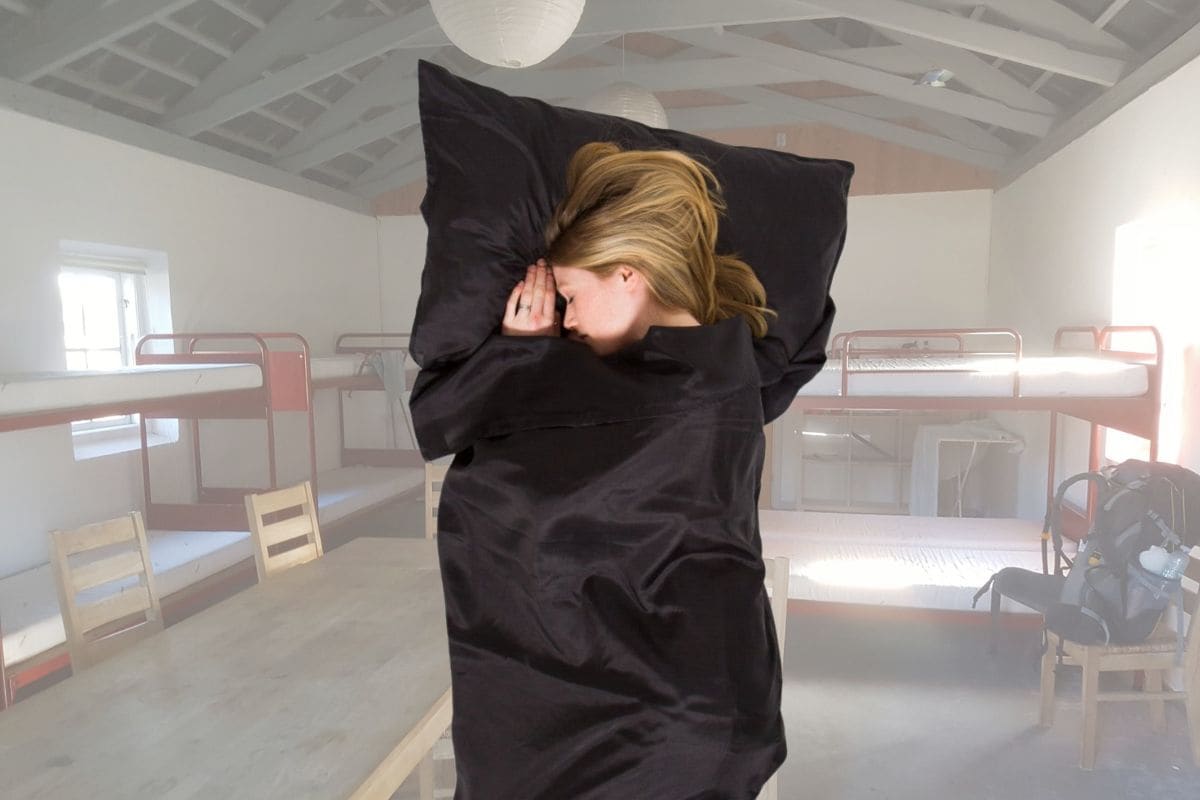 Gear Sleeping bag liners: cotton, silk, fleece, or skip the bag A sleeping bag liner can replace or upgrade your sleeping bag on the Camino. Here is how cotton, silk and fleece compare, and when to bring one.
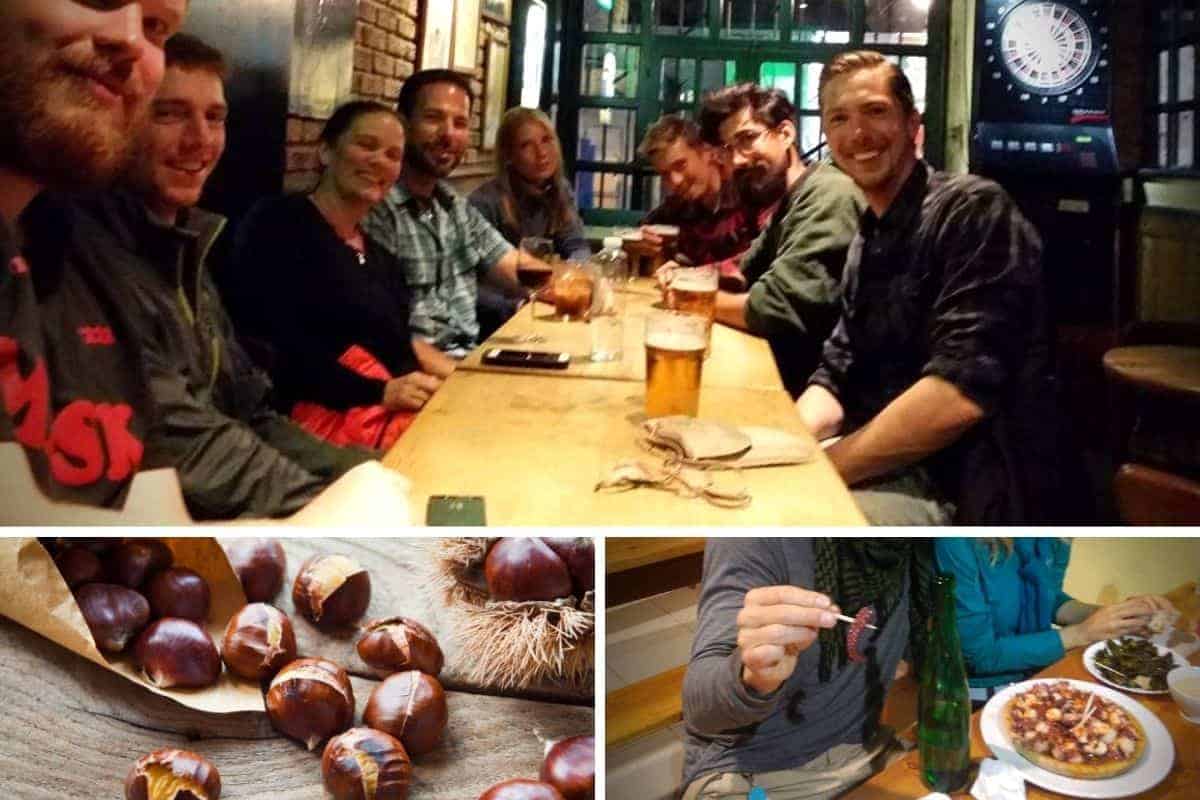 Planning Food costs on the Camino: 12 to 20 euros a day Food on the Camino is cheap. I spent around 12-20 euros per day eating well. See a real daily food budget, pilgrim menu advice and cafe Spanish.
 Mindset Walking the Camino alone: is it safe, and is it worth it? Can you walk the Camino alone? Yes, and it can be liberating. Honest experience from several solo Caminos, plus advice on safety and choosing a route.