Gear
Microfiber travel towels: honest verdict after 800 km
Is a microfiber travel towel worth packing? Honest pros and cons after carrying one across the Camino Francés, plus what to look for when you buy.
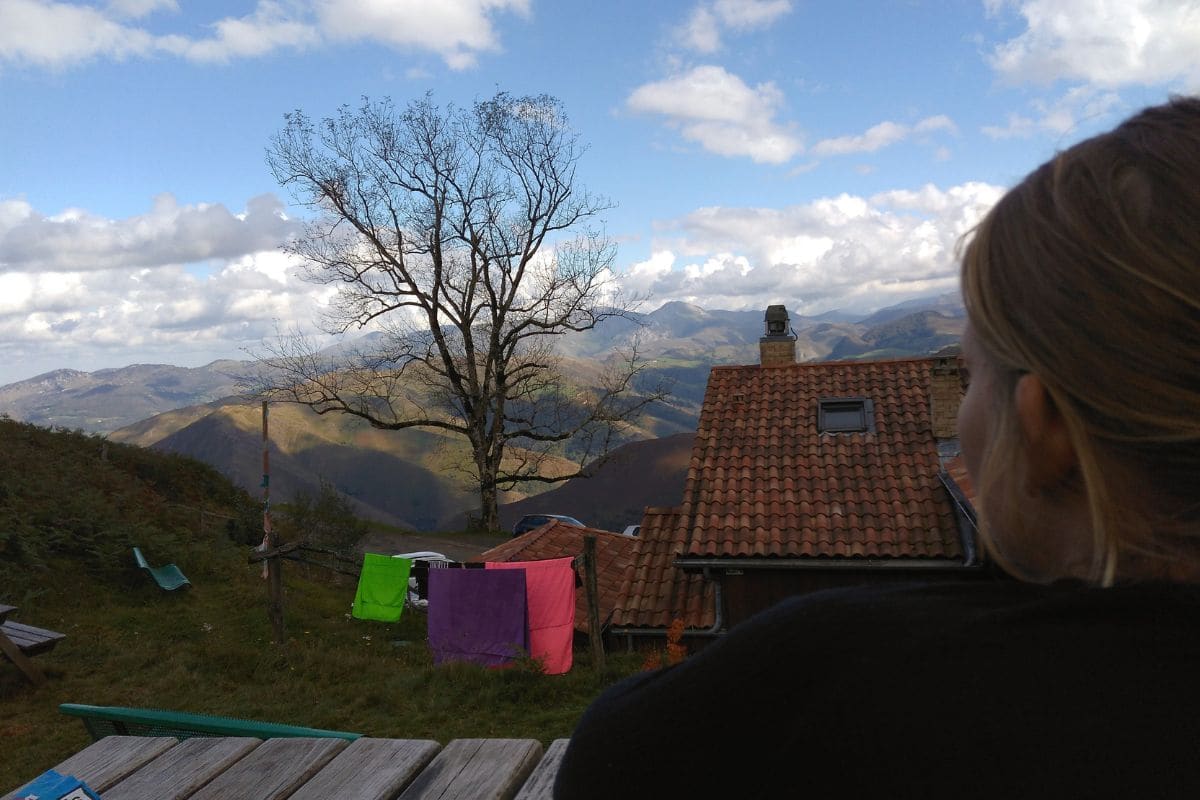
If you are looking for a practical travel towel, a microfiber towel is almost certainly what you will end up with. I recently came home from another walk on the Camino, and for the first time I carried a quick-drying microfiber towel instead of a normal one. There were pluses and there were minuses. This guide covers both, along with what actually matters when you choose one for your backpack.
Why I switched to a microfiber towel
The first time I walked the Camino Francés, all 800 kilometres of it, I brought a normal cotton towel. You can probably imagine how that went. A wet cotton towel is heavy, it takes forever to dry, and it spends most of the day fermenting inside your backpack. After a few days it becomes the least pleasant item you own.
So on my latest trip I packed a microfiber towel instead. These towels go by many names: lightweight towel, quick-dry towel, travel towel. The names give away the whole idea. They are made to be small, light and fast to dry, which is exactly what you need when you shower in a different albergue every evening and pack up again at dawn.
The honest pros and cons
I want to be upfront: it never became a great love affair between me and my microfiber towel. But after living with one for weeks on the trail, the picture is pretty clear.
The advantages
- It takes up very little space. A packed microfiber towel is closer in size to a paperback than to a rolled-up bath towel.
- It weighs almost nothing. The one I carried weighed 267 grams. On a walk of 30 days or more, every gram in your pack matters.
- It dries incredibly fast. Especially in the Spanish sun. Hang it on the outside of your pack in the morning and it is bone dry long before lunch.
The disadvantages
- Drying yourself with it is no pleasure. Microfiber does not feel like cotton. It drags across the skin rather than wrapping you in comfort.
- It is a poor stand-in for anything else. A cotton towel can double as an extra pillow or a light blanket in a cold dorm. A microfiber towel is too thin and too slippery for that.
- You rarely use it at home. It is a piece of gear you buy for trips, and between trips it just sits in a drawer.
That is the honest trade. On a long walk, the weight and drying speed win. You will still miss a proper bathroom with a thick cotton towel. I certainly did. But I never once missed carrying a wet kilogram of cotton up a hill.
What is microfiber, actually?
Nearly every travel towel is made of microfiber, a fabric blend built mostly from polyester with a share of polyamide. It is the same family of material used for cleaning cloths, and there is a reason for that: the fine fibres are extremely good at pulling in and holding water.
Manufacturers commonly claim that a good microfiber towel can absorb many times its own weight in water and dry several times faster than a conventional cotton towel. In my experience the drying claim in particular holds up. What microfiber cannot do is replicate the feel of cotton. It is a functional fabric, and it behaves like one.
Some towels on the market are now made from recycled plastic bottles, which is worth looking for if sustainability matters to you. The performance is the same as standard microfiber.
What to look for when you buy one
You do not need a specific brand or model. You need the right combination of features for a long-distance walk. Here is what I would check:
Size
For the Camino, a large towel around 140 x 90 cm is the sweet spot. It is big enough to actually dry your whole body after a shower, yet still packs down small. Smaller “hand towel” sizes are lighter but frustrating as your only towel.
Weight and packed size
Aim for something in the range of 250 to 300 grams for a full-size towel. Check that it comes with a small pouch or a hanging loop, because you will be clipping it to the outside of your pack most mornings.
Drying speed
This is the whole point of the towel, so read the fabric description. A higher share of polyamide usually means a softer feel, while pure polyester dries fastest. Either works on the trail.
Antibacterial treatment
Many quick-dry towels are treated to resist odour and bacteria. On a multi-week walk in a warm climate, where the towel gets used daily and packed damp occasionally, this genuinely helps. A towel that smells sour after week one is a miserable companion.
A hanging loop
It sounds trivial. It is not. A sewn-in loop lets you hang the towel on a bunk bed, a fence, a shower hook or your backpack. You will use it every single day.
My verdict after the test
My towel earned a solid four out of five in my book. Not because it was luxurious, it absolutely was not, but because it did its job without me ever having to think about it. After a bit more research into travel towels since coming home, I am certain it will stay a fixed part of my packing list.
If you are walking the Camino or any other multi-week trail, get one. Accept in advance that it will never feel like the towel in a nice hotel, and you will be perfectly happy with it. If you are going on a one-week trip with a fixed base and a real bathroom, save your money and bring the towel you already own.
Pack smart for the rest of your kit too
A towel is only one item in the pack, and the same logic applies to everything you carry: weight and drying speed beat comfort on a long walk. If you are putting together your full kit, have a look at my other gear guides where I go through the rest of the packing list. And if you are still choosing which route to walk, the Camino Francés is where I first learned all of these lessons the hard way.
Thanks for reading, and enjoy the trail.
Camino King
The walker who never stopped
Michael walked his first Camino in 2016 and has kept going ever since. He writes about the routes, the gear and everything that makes a long walking day good. If it is here, it has been walked, worn or weighed.
Read next
Gear
Hiking socks for the Camino: the two-layer trick against blisters
Socks decide whether you get blisters on the Camino. My guide to merino wool, the two-layer system, how many pairs, washing and fit, so your feet last all the way.
Gear
Electrolytes for hikers: what they are, and when to skip them
What electrolytes are, why they matter on long hot hikes, and when you can skip them. Practical advice from years of long-distance walking on the Camino.
Gear
Sleeping bag liners: cotton, silk, fleece, or skip the bag
A sleeping bag liner can replace or upgrade your sleeping bag on the Camino. Here is how cotton, silk and fleece compare, and when to bring one.