Fitness
Cross-country skiing for beginners, plus 15 places to try it
Dreaming of a cross-country skiing holiday? Learn the basic techniques, see the 15 best destinations in the world and get your gear sorted in this beginner's guide.
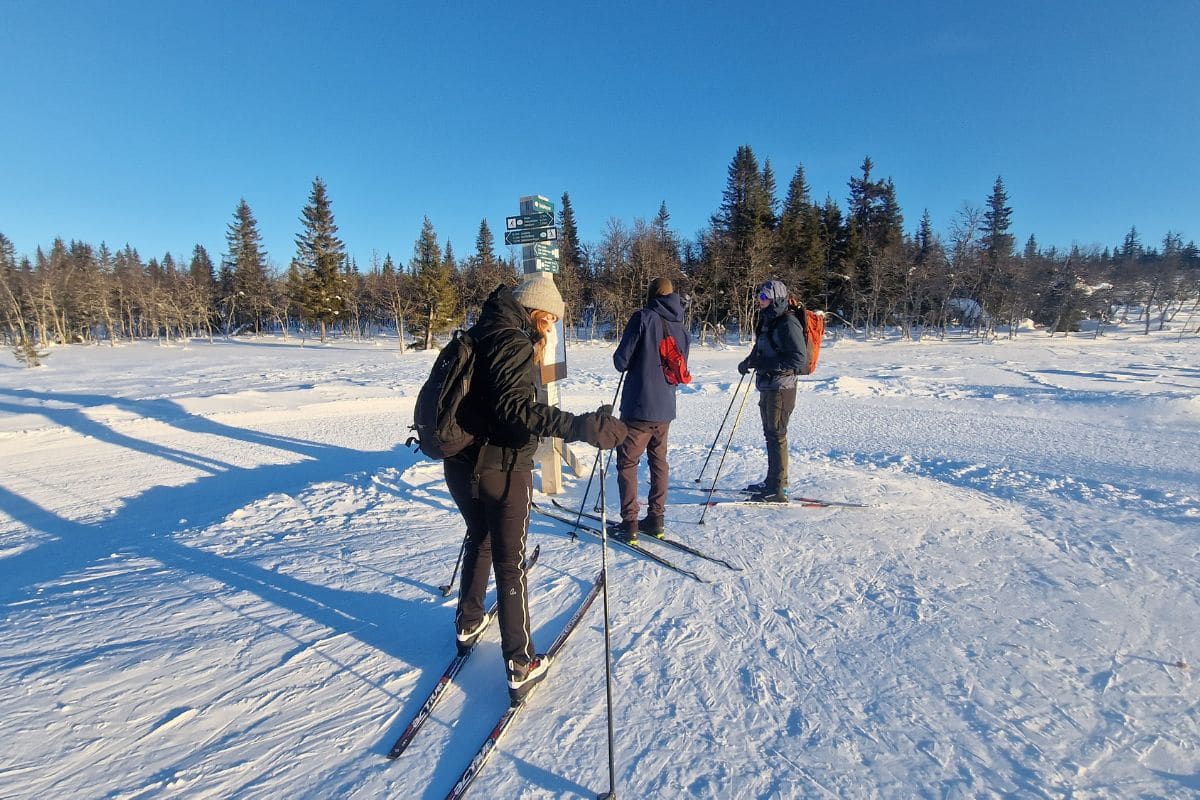
After a long day of cross-country skiing, we are back in the cabin. It is the first time I have been on a cross-country skiing holiday, and it is a fantastic way to enjoy the outdoor life. The destination is Sjusjøen in Norway, close to Lillehammer. It is already decided that this will not be the last time we go cross-country skiing, and after a lot of research we have gathered everything we could find about the sport into this guide.
Are you a beginner at cross-country skiing, or are you thinking about heading off on your first cross-country skiing holiday? Then this guide is for you. You can read about the basic techniques, get inspiration for plenty of exciting destinations and learn more about the experiences and challenges that await on a cross-country skiing holiday.
How to get ready for a cross-country skiing holiday
We are always late with the planning. All my fellow travellers had their own skis and boots, but good advice can still be hard to come by from friends. So I sat and prepared on the bus to Norway, and there I found plenty of good YouTube videos on how to cross-country ski. It is highly recommended to watch a few technique videos before you strap the skis on yourself.
Why cross-country skiing?
Cross-country skiing is more than a winter sport. It is a fantastic workout for both body and mind, and the benefits range from improved fitness and strength to a mental breather in the stillness of nature. It is also forgiving enough for beginners.
Basic techniques for cross-country skiing beginners
Before you head out, it helps to have the basic techniques in place. Here are the steps that get you feeling confident on the track, whether you are a complete beginner or have skied a little before.
1. Correct ski mounting
- Start by making sure your skis are correctly mounted. That means adjusting the bindings so they fit your foot size and your skill level.
- Make sure your boots are held firmly in the bindings, but not too tightly. Correct mounting gives stability and control.
2. Using the poles
- Hold the poles correctly by placing the grip between your thumb and index finger and the rest of your fingers around the shaft.
- Use the poles to keep your balance and give extra push. Practise alternating pole use that matches your strides.
3. Pole lift
- Master the pole-lift technique, where you lift the poles off the snow after each stride. It gives a smoother gliding motion and reduces friction.
- Practise the pole lift on flat terrain before you attempt more challenging climbs.
4. Descents
- Learn to control your speed downhill by bending your knees and keeping your weight centred over the skis.
- Use the poles and your balance to navigate descents safely and avoid losing control.
Take it easy at the start, and practise on flat terrain before you challenge yourself on more demanding tracks.
Choosing a destination: Sjusjøen in Norway
Sjusjøen in Norway mixes scenic surroundings, well-groomed tracks and an inviting atmosphere, which makes it a good choice for beginners. Here is what makes the place stand out.
1. Rolling terrain
Sjusjøen offers rolling terrain that is ideal for cross-country skiers of all levels. The gentle hills and flat areas give beginners the chance to build their skills, while more experienced skiers can challenge themselves on the varied differences in terrain.
2. Untouched snow
The untouched snow at Sjusjøen is made for cross-country skiing. The fluffy powder snow covers the landscape and gives a fantastic surface for gliding movements. The snow creates a unique, silent atmosphere where you can immerse yourself in the peace of nature.
3. Picturesque views
From snow-covered forests to open mountain landscapes, Sjusjøen offers a range of picturesque views. The view over the mountains and the clear, cold air are hard to beat.
4. Well-groomed cross-country tracks
Sjusjøen is known for its well-groomed cross-country tracks, which stretch through the impressive landscape. The tracks are carefully maintained and marked, which makes it easy for beginners to navigate and for experienced skiers to explore new routes.
5. Cosy ski cabins
Along the way on your cross-country adventures, you can come across cosy ski cabins where you can take a well-earned break. The cabins offer warm drinks, local dishes and a chance to share experiences with other cross-country skiers.
6. Cross-country culture
Sjusjøen has a rich cross-country culture, where locals and visitors share their passion for the sport. You will feel welcome in this community, where everyone shares the joy of moving through the beautiful winter landscape.
7. Nearby attractions
Besides cross-country skiing, Sjusjøen also has a range of other winter activities and sights. From snowshoe hikes to dog sledding, there is something for every taste.
Top 15 cross-country skiing destinations in the world
The world is full of great places to ski. Here is a top 15 of the best destinations for cross-country enthusiasts of all levels:
- Sjusjøen, Norway: Rolling terrain, untouched snow and picturesque views make this place a paradise for cross-country skiers.
- Ruka, Finland: With its Arctic landscape and well-groomed tracks, Ruka offers a unique cross-country experience.
- Davos, Switzerland: This Swiss Alpine paradise is known for its challenging cross-country trails and spectacular views.
- Canmore, Canada: Surrounded by the majestic Rocky Mountains, Canmore offers fantastic cross-country tracks and beautiful nature.
- Seefeld, Austria: With a large network of tracks and charming village surroundings, Seefeld is a favourite spot for cross-country skiers.
- Yellowstone National Park, USA: Experience cross-country skiing in outstanding natural surroundings with geysers, snow-covered valleys and wildlife.
- Jotunheimen National Park, Norway: The highest mountain range in Norway offers cross-country tracks through impressive mountain landscapes.
- Engadin, Switzerland: With its sunny valleys and challenging climbs, Engadin is a top spot for cross-country skiing in Switzerland.
- Abisko, Sweden: Cross-country skiing in the Arctic landscape around Abisko offers unique nature experiences north of the Arctic Circle.
- Norefjell, Norway: Close to Oslo and with views over fjord Norway, Norefjell is a popular spot for cross-country skiing.
- Åre, Sweden: Åre, one of Scandinavia’s largest ski areas, offers an extensive network of cross-country tracks in beautiful surroundings.
- Triglav National Park, Slovenia: Beautiful tracks through alpine forests and snow-covered valleys make this national park a hidden gem for cross-country skiing.
- Algonquin Provincial Park, Canada: Cross-country skiing in northern Ontario offers magnificent forests and crystal-clear lakes.
- Vitosha Mountain, Bulgaria: Close to the capital Sofia, Vitosha Mountain offers cross-country skiing in a scenic mountain landscape.
- Val di Fiemme, Italy: With its well-groomed tracks and the Dolomites as a backdrop, Val di Fiemme is a favourite spot for cross-country skiing in Italy.
Gear for cross-country skiing: the perfect setup for your holiday
Whether you are a beginner or an experienced enthusiast, the right gear is crucial for a successful and comfortable cross-country skiing trip. Here is a walkthrough of the gear that prepares you for your next cross-country skiing holiday.
1. Cross-country skis
Your choice of cross-country skis is the cornerstone of your gear. There are different types, including classic skis and skate-style skis. Classic skis are ideal for beginners and for those who want a more relaxed experience. Skate-style skis are faster and more challenging, perfect for experienced skiers.
2. Cross-country poles
Cross-country poles are essential for keeping your balance and giving extra push. Choose poles that suit your height and your skiing skills. Adjustable poles are practical, as they can be adapted to the terrain and your preferred cross-country technique.
3. Cross-country boots
Comfortable and supportive cross-country boots are essential. They should fit your feet well and provide enough warmth, especially if you plan to ski in colder climates. Remember to try the boots with the socks you will wear while skiing.
4. Cross-country clothing
Your clothing plays a central role in your comfort while cross-country skiing. The layer-on-layer principle is ideal, so you can adapt to the temperature. Choose light, breathable materials, and make sure your outer layer is wind and water resistant.
5. Cross-country gloves and headwear
Keep your hands warm with water-resistant cross-country gloves that still allow finger dexterity. A good hat or headband that covers the ears is also important to protect against the cold, especially on windy days.
6. Sunglasses and sunscreen
Even on winter days the sun can be strong, especially in snow-covered areas. Protect your eyes with sunglasses, and use sunscreen on exposed areas to avoid sunburn.
7. Backpack with essentials
A light backpack is practical for carrying water, snacks and perhaps a first aid kit. That way you can stay hydrated and full of energy throughout the trip.
Take your time to choose gear that suits your own needs, and you are ready for the track.
We hope you have found all the information you need to get ready for your next cross-country skiing holiday. We wish you a really good trip, and thank you for reading.
Camino King
The walker who never stopped
Michael walked his first Camino in 2016 and has kept going ever since. He writes about the routes, the gear and everything that makes a long walking day good. If it is here, it has been walked, worn or weighed.
Read next
Fitness
Cross-country ski length: tables for skis and poles by height
Buying or hiring cross-country skis and poles? See the tables of recommended ski and pole length by your height, and what else to take into account.
Fitness
VO2 max chart: good values for men and women by age
What is a good VO2 max? See the tables for women and men by age, the difference between VO2 max and fitness score, and how to train your oxygen uptake.
Fitness
Spikeball rules: how to play roundnet, explained simply
All the spikeball rules in one place: the serve, the three touches, the scoring and the classic arguments, explained so you can start playing right away.